
Facelift Recovery Timeline: What to Expect Week by Week
QUICK ANSWER
How long does facelift recovery take?
Most patients need about two to three weeks for initial facelift recovery, when swelling and bruising noticeably improve and they can resume non-strenuous activities. However, the facelift recovery timeline can extend over several months as residual swelling subsides, tightness eases, and facial contours settle. Your surgeon will advise when you can safely resume specific activities.
If you’re considering a facelift, you may wonder how long swelling and bruising will last and when you can return to work or social activities. Understanding the healing process helps you plan time off, arrange home support, and avoid scheduling important commitments too soon.
This facelift recovery timeline walks you through the changes you may notice during the first days, weeks, and months after surgery. You’ll learn when swelling usually improves, what to expect as you resume everyday activities, and why your final results take longer to settle than the initial healing period.
Key Takeaways
- Most patients resume daily routines within two to three weeks, though complete healing spans several months.
- Early downtime focuses on rest to manage initial facial swelling and tightness effectively.
- Your overall health, the extent of surgery, and adherence to postoperative instructions can all influence how quickly you heal.
Facelift Recovery Week by Week
Facelift recovery is most noticeable in the first two weeks, but healing continues well after the bruising fades.
Your experience will depend on the extent of surgery, your health, and whether you undergo additional procedures. For example, combining a facelift with eyelid surgery to address droopy eyelids may affect your recovery needs.
The following timeline describes general healing milestones. Your surgeon’s postoperative instructions should always take priority.
Table 1. Facelift Recovery Timeline at a Glance
| Recovery Period | What to Expect | General Activity Expectations |
|---|---|---|
| Days 1 to 3 | Swelling, bruising, discomfort, and facial tightness | Rest, assisted recovery, and short walks as directed |
| Days 4 to 7 | Continued swelling and bruising, with discomfort generally improving | Light movement and limited daily activities |
| Week 2 | Bruising and swelling gradually become less noticeable | Short outings and some non-strenuous activities |
| Weeks 3 to 4 | Improved appearance, with possible residual swelling and numbness | Gradual return to work and everyday routines |
| Weeks 5 to 6 | Continued tissue healing and reduced tightness | More activities may resume with surgical clearance |
| Months 2 to 6 and Beyond | Subtle swelling resolves, sensation improves, and scars mature | Return to regular routines while healing continues |
Days 1 to 3: Initial Swelling, Bruising, and Rest
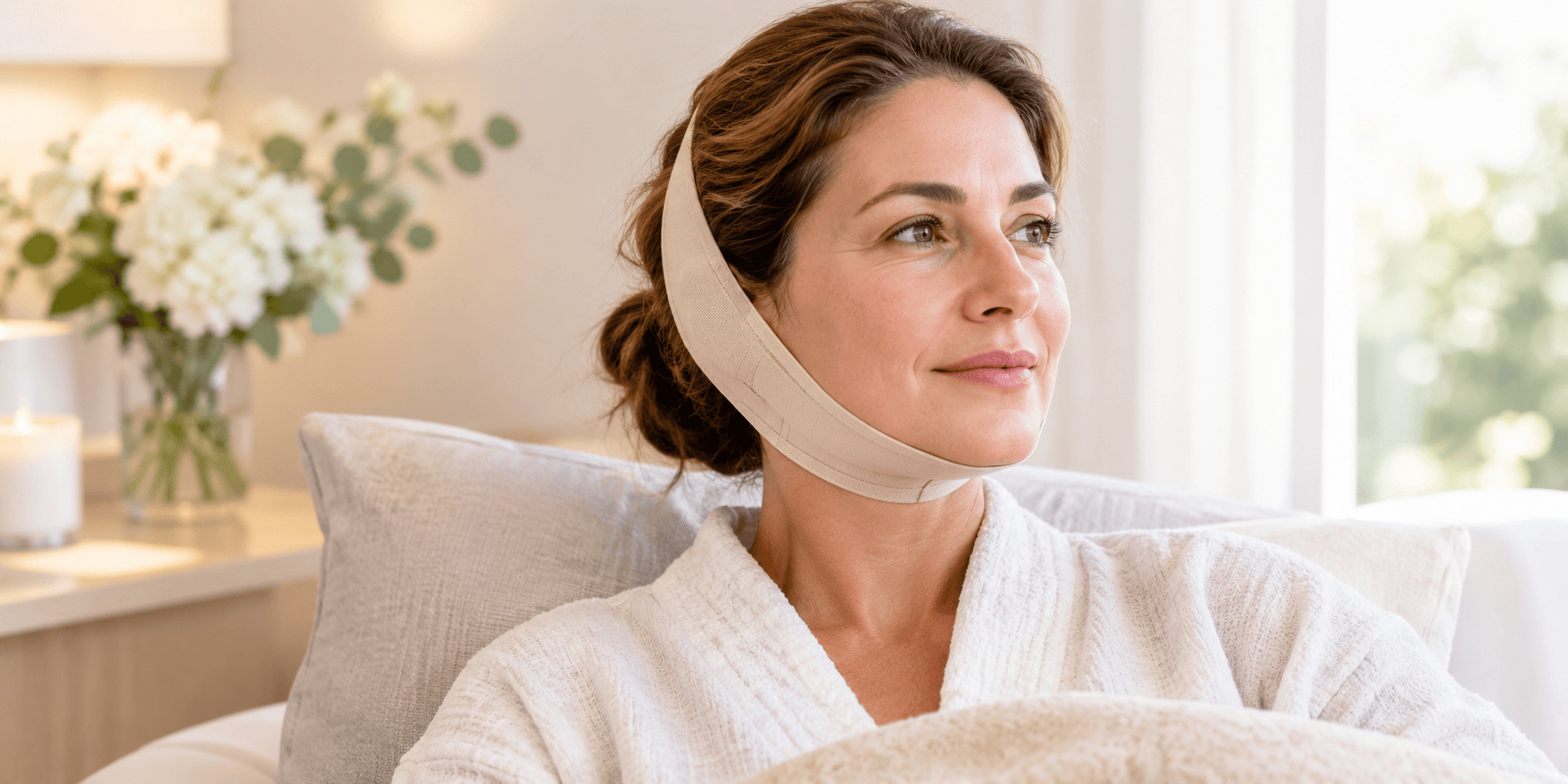
Swelling and bruising develop in the first few days after surgery, often most pronounced in the first 48 hours. Your face may feel tight or tender, particularly around the cheeks, jawline, and neck. You may also have facial dressings or small surgical drains, depending on your procedure.
Rest is the priority during this stage. Arrange for someone to assist you at home, especially during the first night. Keep your head elevated as instructed, take prescribed medications, and begin gentle walking.
Days 4 to 7: Early Healing and Gradual Improvement
By the end of the first week, discomfort typically begins to ease, although swelling and bruising may remain quite visible. You may notice temporary numbness, firmness, or tightness as the tissues begin to heal.
Your surgeon will assess your progress during follow-up visits and may remove stitches or dressings when appropriate. Light activity may be possible, but you should continue to avoid heavy lifting, strenuous exercise, and movements that put unnecessary strain on healing tissues.
Week 2: Reduced Bruising and Improved Comfort
During the second week, bruising often begins fading noticeably, and facial swelling gradually decreases. Your features may look more familiar, although some puffiness and tightness can persist.
Many patients start feeling comfortable with short outings or non-strenuous activities around this time. However, visible improvements don’t mean the deeper tissues have fully healed. Continue following your surgeon’s restrictions, even if you feel ready to do more.
Weeks 3 to 4: Returning to Everyday Routines
By the third and fourth weeks, most noticeable bruising has usually resolved, and swelling has significantly improved. You may feel more comfortable returning to work, attending social gatherings, and managing your usual daily responsibilities.
Your face may still feel slightly tight or numb, particularly around the cheeks, jawline, and incision areas. These sensations can persist while the tissues heal. Continue protecting your skin and incisions from sun exposure and follow your surgeon’s guidance before increasing physical activity.
Weeks 5 to 6: Continued Healing and Activity Progression
Recovery becomes less noticeable as swelling continues to subside and facial comfort improves. Although your appearance may be settling, you may still have residual tightness or changes in sensation.
Depending on your healing progress, your surgeon may let you gradually resume more demanding activities, including certain exercises. Avoid returning to strenuous workouts or heavy lifting until you receive clearance.
Months 2 to 6 and Beyond: Facelift Results Continue to Refine
Over the next few months, swelling gradually resolves, allowing your facial contours to become more defined. Numbness and tightness may continue improving as the tissues settle and sensation returns.
Your incisions will also undergo scar maturation. Although they generally become less noticeable over time, scars can continue softening and fading for a year or longer.
By this stage, many patients have returned to their usual routines, but the healing process is still progressing. Attend your scheduled follow-up appointments so your surgeon can assess your results and address any lingering concerns.
What Factors Affect Your Facelift Recovery Timeline?
Your facelift recovery timeline depends on several factors, particularly the surgical technique and extent of correction. More extensive procedures or a facelift combined with other surgeries may require extra healing time.
Your overall health, smoking habits, and adherence to postoperative instructions also influence recovery. For example, smoking can interfere with wound healing, while following your surgeon’s activity restrictions helps protect healing tissues.
The type of treatment matters, too. Nonsurgical options such as facial fillers can restore lost facial volume but involve different recovery considerations.
During your consultation, Dr. Chad Wu can assess your health, treatment plan, and lifestyle to help you establish realistic recovery expectations.
“Recovery depends on more than the surgical technique. A patient’s overall health, the extent of the procedure, and adherence to postoperative care all influence how healing progresses. That’s why recovery planning should always be individualized.”
Frequently Asked Questions About the Facelift Recovery Timeline
When does swelling peak after a facelift?
Facelift swelling typically peaks within the first 36 to 48 hours after surgery. It gradually subsides over the following two weeks, although some residual swelling may persist for several months. Contact your surgeon if swelling suddenly increases, becomes unusually painful, or raises other concerns.
When can you return to work after facelift surgery?
Most patients can return to non-strenuous work approximately two to three weeks after a traditional facelift. Recovery may be shorter after less extensive procedures. Your exact timeline depends on your healing progress, your job’s physical demands, and your surgeon’s clearance.
When can you exercise after a facelift?
Gentle walking is often encouraged early in recovery, but you should avoid strenuous exercise and heavy lifting for several weeks. Depending on your procedure and healing progress, you may gradually resume more demanding activities after four to six weeks, with your surgeon’s approval.
When do facelift results start to look natural?
Many patients feel comfortable appearing in public after approximately 10 to 14 days, when much of the visible bruising and swelling has improved. However, subtle swelling and tightness can take several months to resolve, allowing your facial contours to settle into a more natural appearance.
When can you return to work after a facelift?
Your return to work depends partly on your occupation. Office-based roles generally allow an earlier return than physically demanding jobs, while customer-facing positions may require additional downtime if bruising remains visible. Discuss your responsibilities with your surgeon to establish a realistic return-to-work plan.
Let Healing Set the Pace
Facelift recovery doesn’t end when bruising fades or you return to your usual routine. Giving your tissues time to settle and following your surgeon’s postoperative instructions can help support a healthy recovery.
For a clearer understanding of what to expect from your procedure, discuss facelift recovery in Toronto with Dr. Chad Wu, MD. A personalized consultation can help you prepare for surgery with realistic expectations.