
Body Contouring After GLP-1 Weight Loss: Tummy Tuck, Arm Lift, Breast Lift, and Facial Options
Glucagon-like peptide-1 (GLP-1) medications, including Ozempic and Wegovy, have gained popularity for supporting weight loss, but the resulting changes in your body can leave you with loose or sagging skin. You can typically notice these around your abdomen, upper arm, breasts, or face.
You can address these concerns with body contouring after GLP-1 weight loss to achieve the physique and look you’re aiming for.
As a board-certified plastic surgeon with experience in aesthetic and body contouring procedures, Dr. Chad Wu, MD, provides individualized surgical recommendations based on each patient’s anatomy and goals.
This guide covers the different plastic surgery and aesthetic procedures you can consider to address concerns that remain after GLP-1 weight loss.
Key Takeaways
- Body contouring can address loose skin and volume changes that remain after your weight has stabilized following GLP-1 weight loss.
- A tummy tuck, arm lift, and breast lift target different areas of excess skin, while facial procedures can address sagging or lost facial volume.
- GLP-1 medications do not directly cause loose skin, as these changes are primarily associated with significant weight reduction and loss of underlying volume.
- The right procedure or combination of procedures depends on your anatomy, degree of skin laxity, remaining tissue, overall health, and treatment goals.
Understanding Skin Changes After a Major Weight Loss
There are three main reasons why you have loose skin after weight loss and may need a tummy tuck in Toronto or other body contouring procedures. These are:
Loss of Fat Beneath the Skin
The layer of fat directly underneath the skin, which is called subcutaneous fat, supports and keeps the skin soft.
When you lose a significant amount of weight, especially over a relatively short period, this layer typically decreases faster than the skin can contract or tighten. As a result, the skin loses its support, causing folds and sagging.
Changes in Collagen and Elastin
When your skin is stretched during weight gain, collagen organization is disrupted, and elastin fibers may be damaged. Collagen provides strength and structure, while elastin helps your skin stretch and recoil.
After a dramatic weight loss, these fibers may not fully return to their previous condition, which can limit your skin’s ability to contract around a smaller body.
Reduced Support From Fat Cells
Fat cells do more than store energy. They also release adiponectin, leptin, and other signaling hormones that interact with skin cells and play a crucial role in collagen production.
These hormones help repair and maintain skin tissues as well.
Fat cells tend to shrink when you lose weight, which can affect how they send signals to the surrounding tissues. These changes may affect how your skin produces collagen and maintains its structure, thereby preventing it from tightening and leading to folds and sagging.
Other factors can also affect how your skin responds to weight loss. These include your:
- Age
- Natural skin elasticity
- Genetics
- Amount of weight lost
- Length of time you carried extra weight
Lifestyle factors, including smoking and sun exposure, may also affect skin elasticity.
It is important to remember that GLP-1 medications are not necessarily the direct cause of loose skin. These changes are generally associated with significant weight reduction and the resulting loss of body volume.
These changes may also be the result of losing considerable weight through other methods.
Tummy Tuck for Abdominal Skin Laxity
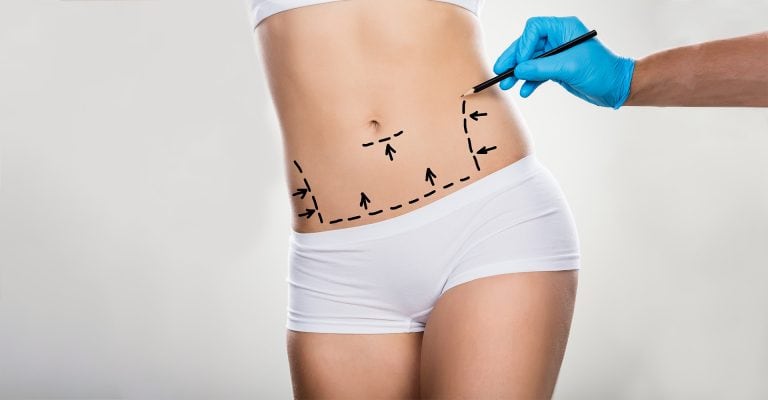
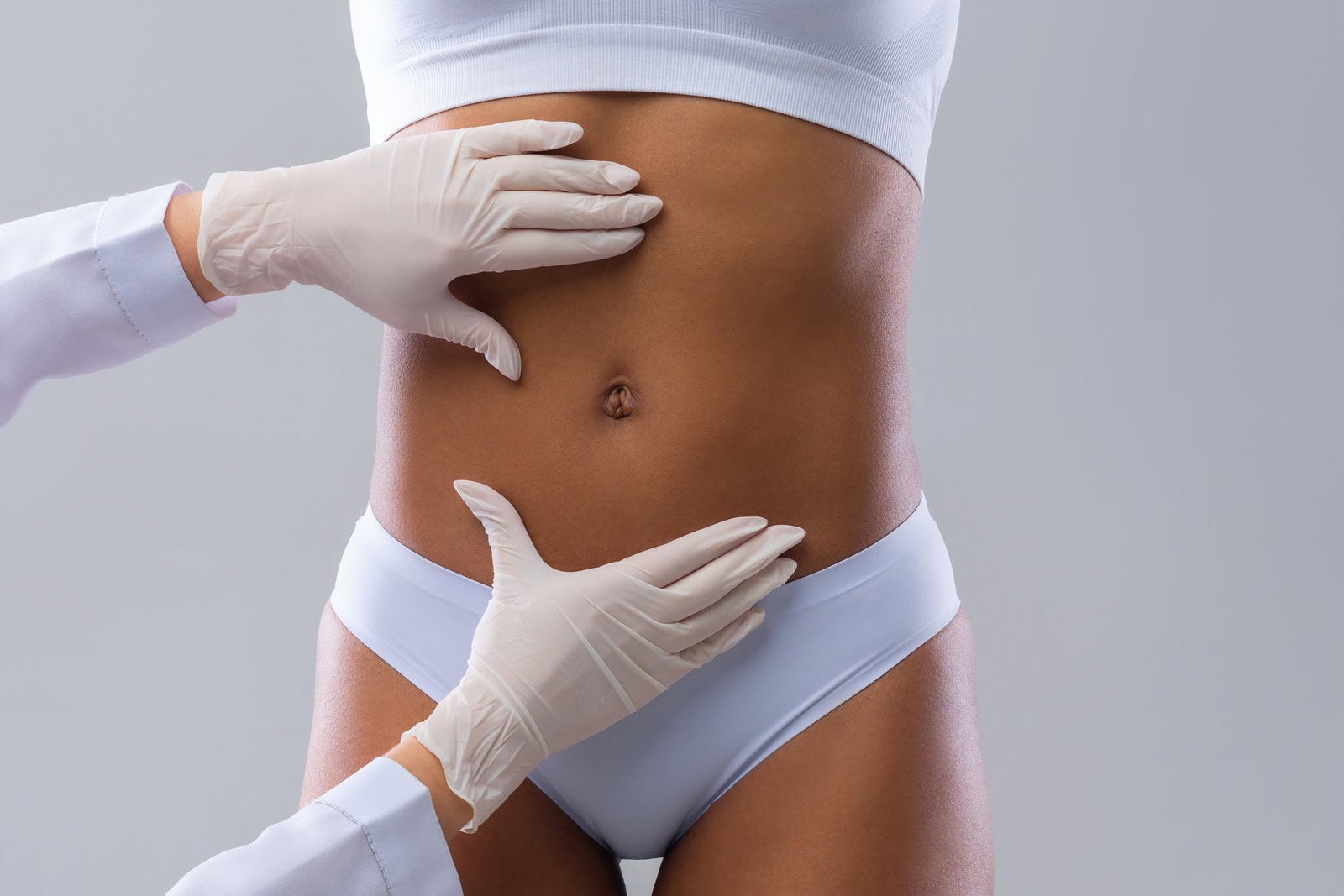
A tummy tuck, or abdominoplasty, is a type of cosmetic procedure that removes excess skin and tissue from the patient’s abdomen to create a flatter, smoother abdominal contour.
During the procedure, the plastic surgeon may also repair weakened or separated abdominal muscles when needed. This can help improve the structure of your abdominal wall in addition to addressing loose skin.
This plastic surgery option after Ozempic weight loss can help improve the structure of your abdominal wall in addition to addressing loose skin.
A tummy tuck is different from liposuction. Liposuction removes localized fat deposits through small incisions, but it does not get rid of significant amounts of loose skin or repair abdominal muscles.
If you have both excess skin and stubborn fat, your surgeon may recommend combining liposuction with a tummy tuck to help you achieve a flatter and firmer abdomen.
Arm Lift for Post-Weight-Loss Changes
Changes in your upper arms may remain after your weight has stabilized. If you have excess skin along your upper arms, brachioplasty, or an arm lift, can remove this tissue and tighten the remaining skin.
This procedure typically addresses the area between the underarm and elbow, with the incision length and placement depending on how much skin needs to be removed. The scars are often hidden on the underside of the arms and gradually fade.
After the procedure, you’ll have a more defined and contoured arm shape that complements your new weight.
Breast Contouring After Significant Weight Loss
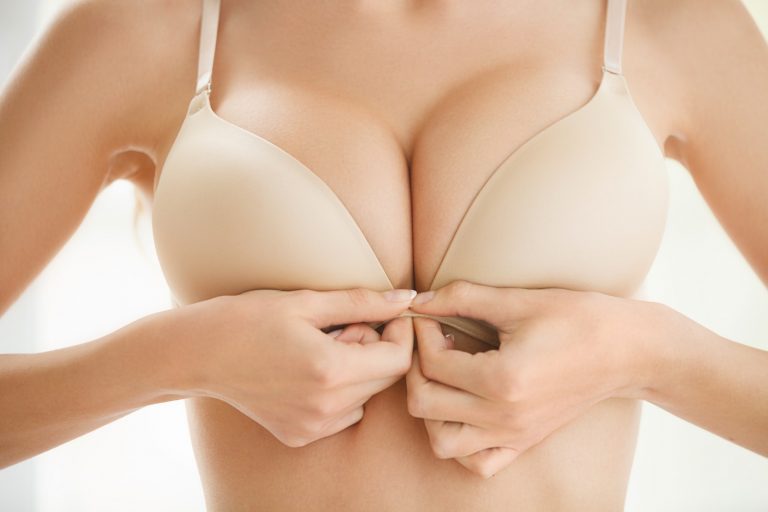
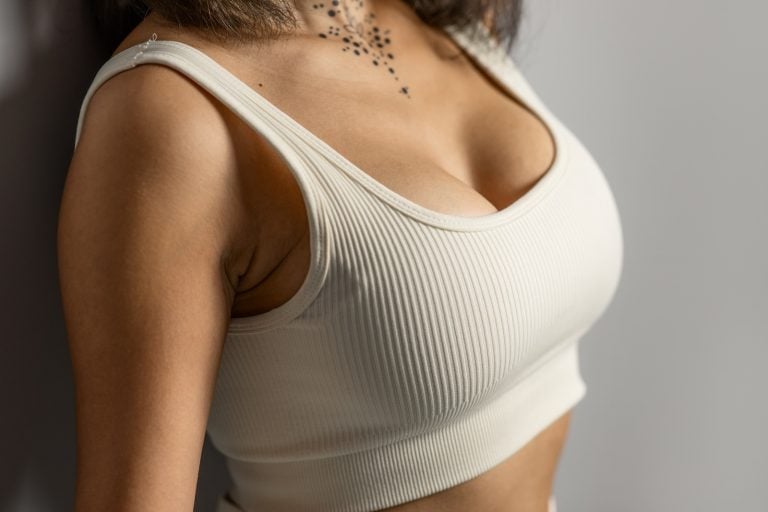
Weight loss can reduce breast volume, which may leave your breasts looking lower, flatter, or less full. A breast lift in Toronto, or mastopexy, removes extra skin and repositions the breast tissue and nipple to create a more lifted appearance.
If you want more fullness, the plastic surgeon may discuss combining a breast lift with breast augmentation using implants or fat transfer.
In many cases, a breast lift alone may provide the desired improvement. Your anatomy, remaining breast tissue, skin laxity, and cosmetic goals will help determine the most appropriate surgical option.
Facial Rejuvenation for Ozempic Face
Dramatic weight loss can reduce facial volume, particularly around your cheeks, temples, and under-eye areas. You may also notice looser skin along your jawline and neck.
These changes are sometimes called “Ozempic face,” but they are not unique to Ozempic or other GLP-1 treatments; they can occur when you lose weight through other methods.
A facelift in Toronto can address loose skin and deeper tissues in the lower face, including sagging around the cheeks and jawline.
Facial fillers are another option for a GLP-1 makeover in Toronto, as they can add volume to the cheeks and temples when facial volume loss is considered mild to moderate.
The right facial procedure depends on where you have volume loss or skin laxity and how noticeable these changes are. In some cases, the plastic surgeon may discuss surgical and non-surgical options based on your needs and goals.
Frequently Asked Questions
Read more information about your body contouring options after GLP-1 weight loss:
When is it safe to consider surgery after GLP-1 weight loss?
Surgery is generally considered safe once your weight has been stable for a few months, typically three to six months, and you have reached a healthy range you can maintain. Rapid or ongoing weight loss can affect surgical planning and results, so most plastic surgeons wait until you reach a weight plateau.
How long should weight be stable before body contouring?
Most surgeons recommend at least three to six months of stable weight before undergoing a body contouring procedure. This allows your skin and tissue to settle and reduces the risk of needing revision surgery if your weight continues to change. Your surgeon will assess your individual progress instead of relying on a fixed timeline.
Which procedures treat loose skin after major weight loss?
Common procedures include a tummy tuck, arm lift, and breast lift. A tummy tuck addresses the abdomen, an arm lift tightens the upper arms, and a breast lift repositions breast tissue for a more lifted contour.
Can tummy tuck, arm lift, and breast lift be combined?
Yes, these procedures can often be combined into a single surgical plan, sometimes called a mommy makeover or post-weight-loss body lift. Combining procedures may reduce the total recovery time compared to separate surgeries.
Does GLP-1 weight loss affect the face as well as the body?
Yes, significant weight loss from GLP-1 medications can reduce facial volume, especially around the cheeks, temples, and under-eyes, which is sometimes called “Ozempic face.” A facelift addresses loose skin and sagging in the lower face, while facial fillers can restore volume for milder changes.
Planning Your Next Step After Your GLP-1 Weight Loss
GLP-1 weight loss can result in positive body changes, but loose skin and reduced volume may remain, which can affect your confidence and outlook. If you want to improve the affected areas, schedule a consultation with Dr. Chad Wu, MD, to discuss body contouring and facial options that can help you achieve your goals.
Contact us today to take the next step toward a treatment plan designed for you.